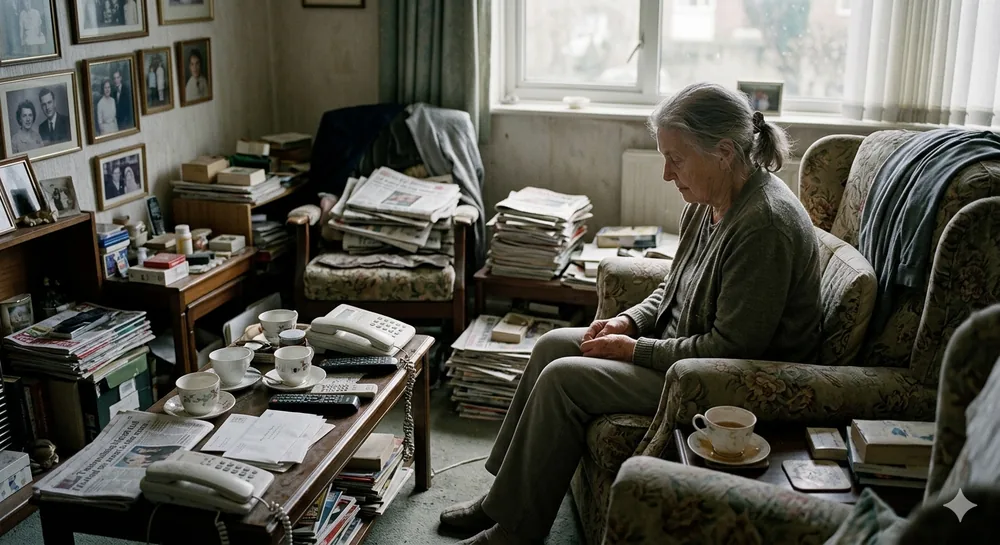
Your aging parent may need personal care assistance at home in Philadelphia, PA if you notice declining hygiene, recent falls, weight loss, missed medications, a neglected home, memory changes, or social withdrawal. These signs often mean daily tasks like bathing, dressing, cooking, and moving safely have become difficult. In home personal care from trained caregivers helps seniors stay safe, healthy, and independent while easing the stress on adult children and family caregivers.
Noticing the Changes Is the First Step
The signs that a parent needs help rarely appear all at once. More often, they build slowly. A missed phone call here. A stack of unopened mail there. A bruise your mother says came from "bumping into the table."
Many adult children in Philadelphia notice these changes during holiday visits, weekend dinners, or after a parent's hospital stay. It is natural to feel uncertain. You may worry about overreacting, about upsetting your parent, or about what accepting help really means.
Recognizing the signs early allows your family to act before a crisis, such as a serious fall or hospitalization, makes the decision for you. Here are seven signs that your aging parent may need personal care assistance at home.
Sign 1: Changes in Personal Hygiene and Appearance
Personal hygiene is often the first area to decline. Bathing requires balance, strength, flexibility, and energy. When any of these fade, showers become skipped or rushed.
Watch for:
- Body odor or unwashed hair
- Wearing the same clothes several days in a row
- Stained or wrinkled clothing from someone who was always neat
- Untrimmed nails or unshaven faces
- Signs of poor oral care
Seniors often avoid bathing because they are afraid of falling in the tub or shower. Personal care caregivers provide safe, respectful bathing and grooming assistance that restores comfort and dignity.
Sign 2: Recent Falls, Near Falls, or Unexplained Bruises
The CDC reports that about one in four Americans age 65 and older falls each year, and falls are a leading cause of injury among older adults. Many seniors do not tell their children when they fall, fearing they will lose their independence.
Watch for:
- Bruises, cuts, or scrapes your parent cannot explain
- Holding onto furniture or walls while walking
- Difficulty standing up from a chair or getting out of bed
- Avoiding stairs or certain rooms of the house
- A slower, shuffling walk
Many Philadelphia rowhomes have steep stairs and second floor bathrooms, which increase fall risk. A personal care aide provides walking support, transfer assistance, and supervision during high risk tasks like showering.
Sign 3: Weight Loss, Poor Nutrition, or an Empty Refrigerator
Cooking requires planning, shopping, standing, and handling hot pans. When these tasks become difficult, seniors often rely on snacks, frozen meals, or skip meals entirely.
Watch for:
- Noticeable weight loss or clothes fitting loosely
- Expired or spoiled food in the refrigerator
- Very little fresh food in the home
- Burned pots or signs of kitchen accidents
- Signs of dehydration, such as fatigue or confusion
Caregivers help with grocery shopping, prepare nutritious meals, provide feeding assistance when needed, and encourage hydration throughout the day.
Sign 4: Missed or Mixed Up Medications
Many seniors take multiple prescriptions every day. Keeping track of dosages and timing can become overwhelming, especially with memory changes or vision problems.
Watch for:
- Full pill bottles that should be half empty
- Pills found on the floor or in odd places
- Expired prescriptions
- Confusion about which medication is for what
- Unfilled refills
Missing medications or taking them incorrectly can lead to serious health complications. Caregivers provide medication reminders on the schedule set by the doctor and help pick up prescriptions from the pharmacy.
Sign 5: A Home That Is No Longer Kept Up
Your parent's home can tell you a lot about how they are managing. A once tidy house that becomes cluttered or dirty is often a sign that physical or cognitive changes are making housework too difficult.
Watch for:
- Piles of dishes, laundry, or trash
- Unopened mail, unpaid bills, or late notices
- Dead plants or neglected pets
- Strong odors
- Clutter in walkways that creates tripping hazards
Personal care often includes light housekeeping, laundry, and organization. Visiting Care also offers Homemaking & Housekeeping and Pet Care Assistance.
Sign 6: Memory Loss or Confusion That Affects Daily Life
Occasional forgetfulness is a normal part of aging. But memory changes that affect safety and daily routines may signal Alzheimer's disease or another form of dementia.
Watch for:
- Repeating the same questions or stories
- Getting lost in familiar Philadelphia neighborhoods
- Leaving the stove on or doors unlocked
- Forgetting appointments, meals, or bathing
- Difficulty following a conversation
- Mood changes, anxiety, or agitation, especially in the late afternoon
If you notice these signs, schedule an appointment with your parent's doctor. In home caregivers support seniors with memory loss through structured routines, gentle redirection, and daily supervision. Learn about our Alzheimer's & Dementia support.
Sign 7: Withdrawal, Loneliness, or Loss of Interest
Emotional changes are just as important as physical ones. Seniors who stop attending church, skip their senior center activities, or stop calling friends may be struggling with depression, mobility problems, or embarrassment about their health.
Watch for:
- Spending most of the day alone or in bed
- Loss of interest in hobbies they once loved
- Declining invitations and social events
- Signs of sadness, irritability, or hopelessness
- Changes in sleep patterns
The U.S. Surgeon General has identified loneliness and social isolation as serious public health concerns linked to heart disease, dementia, and depression. Caregivers provide companionship along with personal care, helping seniors stay connected and engaged. See our Companion Care service.
What to Do If You Notice These Signs
Start a Gentle Conversation
Choose a calm, private moment. Focus on your parent's goals, such as staying in their home, rather than their limitations. Say, "I want to help you stay here safely," instead of, "You can't do this anymore."
Involve Your Parent in Every Decision
Seniors are more open to help when they feel in control. Let your parent choose schedules, preferences, and which tasks to start with.
Talk to Their Doctor
Share what you have observed. The doctor can check for underlying health issues and recommend the level of support needed.
Start Small
Many families begin with a few hours a week of help with bathing, meals, or errands. Care can grow as needs change.
Schedule a Free In Home Assessment
A professional care coordinator can evaluate safety risks, daily needs, and the home environment, then recommend a care plan. Request a free in home assessment.
How Personal Care Assistance Helps
Personal care from Visiting Care Home Care Services includes:
- Bathing, showering, and grooming
- Dressing and toileting assistance
- Mobility support and fall prevention
- Meal preparation and feeding help
- Medication reminders
- Light housekeeping and laundry
- Transportation to appointments and errands
- Companionship and emotional support
Care is available hourly, overnight, live in, or 24/7.
Why Families Choose Visiting Care
With 29 years of caregiving experience, Visiting Care Home Care Services helps seniors across Philadelphia, including Center City, South Philadelphia, Northeast Philadelphia, Manayunk, Chestnut Hill, and Roxborough, plus Bucks, Montgomery, Delaware, Chester, and Lancaster Counties.
- Experienced, compassionate caregivers
- Personalized care plans
- 24/7 care and an on call hotline
- Flexible payment options, including long term care insurance
- A nonsmoking, pet friendly agency
Related Reading
- What Personal Care Services for Seniors Include in Philadelphia, PA
- What to Expect From In Home Personal Care Services in Philadelphia, PA
- Companion Care vs. Personal Care: Choosing the Right Fit in Philadelphia, PA
Frequently Asked Questions
You Do Not Have to Wait for a Crisis
If you recognize one or more of these signs, now is the right time to explore support. Trusted personal care assistance from Visiting Care Home Care Services helps your aging parent stay safe, healthy, and independent at home in Philadelphia, PA.
Call 484.200.5204 or request your free in home assessment today.