Home care vs. assisted living in Philadelphia comes down to care needs, budget, safety and personal preference. Home care brings experienced caregivers into a senior's own home for help with bathing, meals, mobility and companionship, billed only for the hours needed. Assisted living is a residential community with housing, meals and shared staff for a monthly fee. Seniors who want independence and familiar surroundings often choose in-home care.
Understanding Your Senior Care Options in Philadelphia
When an aging parent starts needing help, families in Philadelphia usually face the same question: should Mom or Dad stay home with support, or move into an assisted living community? Both options help older adults with daily life, but they work very differently.
The right choice depends on your loved one's health, personality, finances, home setup and the support family members can realistically provide. This guide compares home care and assisted living side by side so you can make a confident, informed decision.
What Is Home Care?
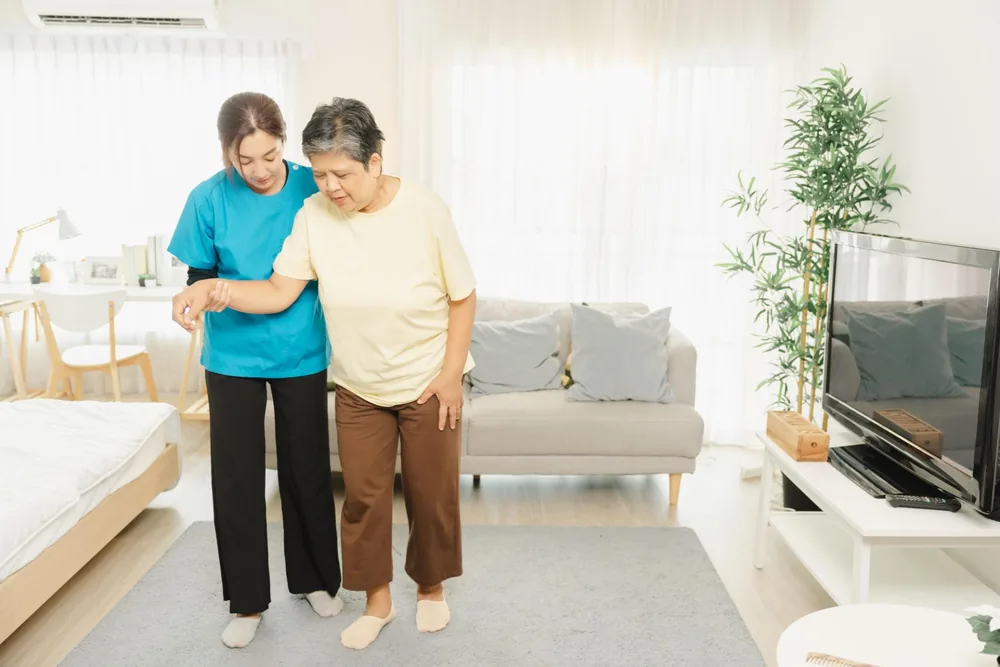
Home care, also called in-home care or non-medical home care, provides professional caregivers who come to a senior's residence. Services typically include:
- Bathing, grooming, dressing and toileting
- Mobility and transfer assistance
- Meal planning, grocery shopping and cooking
- Medication reminders
- Light housekeeping and laundry
- Transportation to appointments and errands
- Companionship and social engagement
- Supervision and support for seniors with dementia
Care can be scheduled for a few hours a week, daily shifts, overnight support or 24-hour care. The senior stays in their own home, whether that is a row home in Port Richmond, a single home in Somerton or an apartment in Rittenhouse Square.
What Is Assisted Living?
Assisted living is a residential setting for seniors who need some help with daily activities but do not need the round-the-clock skilled nursing provided in a nursing home. Residents usually live in a private or shared apartment and receive meals in a common dining room, housekeeping, scheduled activities and help with personal care from staff on site.
In Pennsylvania, these communities are regulated by the Department of Human Services as assisted living residences or personal care homes. Staff support many residents at once, so help is available but not one-on-one.
Home Care vs. Assisted Living: Key Differences
Level of Personal Attention
Home care provides one-on-one attention. During every visit, the caregiver focuses entirely on one person. In assisted living, a single aide may support many residents during a shift, which can mean waiting for help with toileting, bathing or getting dressed.
Independence and Routine
At home, seniors keep their own schedules, eat the foods they enjoy and decide how to spend their day. Assisted living offers structure and a social calendar, but meal times, activities and staff routines are set by the community.
Environment and Familiarity
Home care allows seniors to stay surrounded by family photos, their favorite chair, neighbors and pets. For seniors living with memory loss, familiar surroundings often reduce confusion and agitation. Moving to assisted living means adjusting to a new place, new people and new rules.
Social Opportunities
Assisted living offers built-in social activities, which can be a strong benefit for seniors who feel lonely. Home care also addresses isolation through companionship, outings to senior centers and visits with friends. Many Philadelphia neighborhoods have active senior centers that seniors can attend with a caregiver's help.
Safety and Supervision
Assisted living has staff on site at all hours. Home care can match this with overnight care, live-in arrangements or 24-hour care when needed. For seniors who only need help during certain parts of the day, home care offers the right amount of supervision without paying for more.
Flexibility as Needs Change
Home care schedules can increase after a hospital stay and decrease as a senior recovers. Assisted living may charge higher care-level fees as needs rise, and some communities require residents to move to memory care or a nursing home if needs exceed what they provide.
Cost of Home Care vs. Assisted Living in Philadelphia
Cost is often the deciding factor, and it is where the comparison gets interesting.
Home care costs. Non-medical home care in the Philadelphia area is billed hourly. National cost-of-care surveys place typical private-pay rates for the region at roughly the high twenties to mid-thirties per hour, depending on the agency, schedule and level of care. A senior who needs 4 hours of help per day, 5 days per week, uses about 87 hours per month.
Assisted living costs. Assisted living is billed monthly. Recent cost-of-care data places Philadelphia assisted living well above the Pennsylvania state average, commonly in the range of several thousand dollars per month before added fees for higher care levels, medication management or memory care.
What this means for families. For seniors who need part-time help, home care is usually the more affordable option. When needs approach 24-hour care, home care costs can exceed assisted living, though some families still choose home care for the one-on-one attention and the comfort of staying home.
Remember to count the hidden costs of each option. Staying home includes mortgage or rent, utilities, food and home maintenance. Assisted living often includes these in the monthly fee but may add charges for laundry, transportation or extra care.
Paying for Senior Care in Philadelphia
Most families combine several sources:
- Private pay using income, savings or the sale of assets
- Long-term care insurance, which often covers both home care and assisted living
- Retirement funds
- Veterans benefits, such as the VA Aid and Attendance pension for eligible veterans and surviving spouses
- Pennsylvania Medicaid, through Community HealthChoices, which can cover in-home personal care for eligible seniors
Medicare does not cover long-term non-medical home care or assisted living room and board. The Philadelphia Corporation for Aging (PCA) can help families understand local benefits and eligibility.
When Home Care Is the Right Choice
Home care is often the right fit when your loved one:
- Strongly wants to remain at home
- Needs help with some daily tasks but not constant supervision
- Has family nearby who provide part of the care
- Is recovering from surgery, illness or a hospital stay
- Has early to moderate memory loss and does well with routine
- Has a pet they cannot bring to a facility
- Lives in a home that can be made safe with simple modifications
- Values one-on-one attention and a familiar caregiver
When Assisted Living May Be the Right Choice
Assisted living may be a better fit when your loved one:
- Feels deeply isolated and wants daily group activities
- Needs supervision around the clock and home care costs are not sustainable
- Lives in a home that cannot be made safe, such as a row home where every bathroom is up a steep staircase that can no longer be managed
- Has no family nearby to coordinate care
- Is open to and excited about community living
Questions to Ask Before You Decide
Use these questions to guide family conversations:
- What does our loved one want?
- Which daily activities are hardest right now: bathing, cooking, mobility, medications?
- How many hours of help are needed each day?
- Is the home safe, or can it be made safe?
- How much can family realistically provide without burning out?
- What is our monthly budget, and how long must it last?
- How are needs likely to change over the next year?
An in-home care assessment from an experienced care coordinator can answer many of these questions and give you a clear picture of the hours and services your loved one needs.
A Middle Path: Trying Home Care First
Many Philadelphia families start with home care because it is flexible and requires no move. If your loved one thrives with support at home, you avoid the stress and expense of relocating. If needs grow beyond what home care can reasonably provide, you will have more information to make the next decision.
Starting with a few hours a week also eases a senior into accepting help, which can be hard for fiercely independent parents.
How Visiting Care Home Care Services Can Help
Visiting Care Home Care Services provides personalized, non-medical in-home care for seniors in Philadelphia and surrounding Pennsylvania counties. Our experienced caregivers help with personal care, meals, mobility, medication reminders, housekeeping, transportation and companionship, with care available 24 hours a day, 7 days a week.
We build every care plan around your loved one's routines and goals, and we adjust the schedule as needs change. Families across Center City, Northeast Philadelphia, South Philadelphia, Roxborough, Chestnut Hill and nearby Montgomery, Bucks and Delaware counties trust our team to help their loved ones stay home safely.
We accept all major credit cards, retirement funds, long-term care insurance and ACH payments.
Not sure whether home care or assisted living is right for your family? Contact Visiting Care Home Care Services at visitingcareservice.com to schedule an in-home care consultation.