
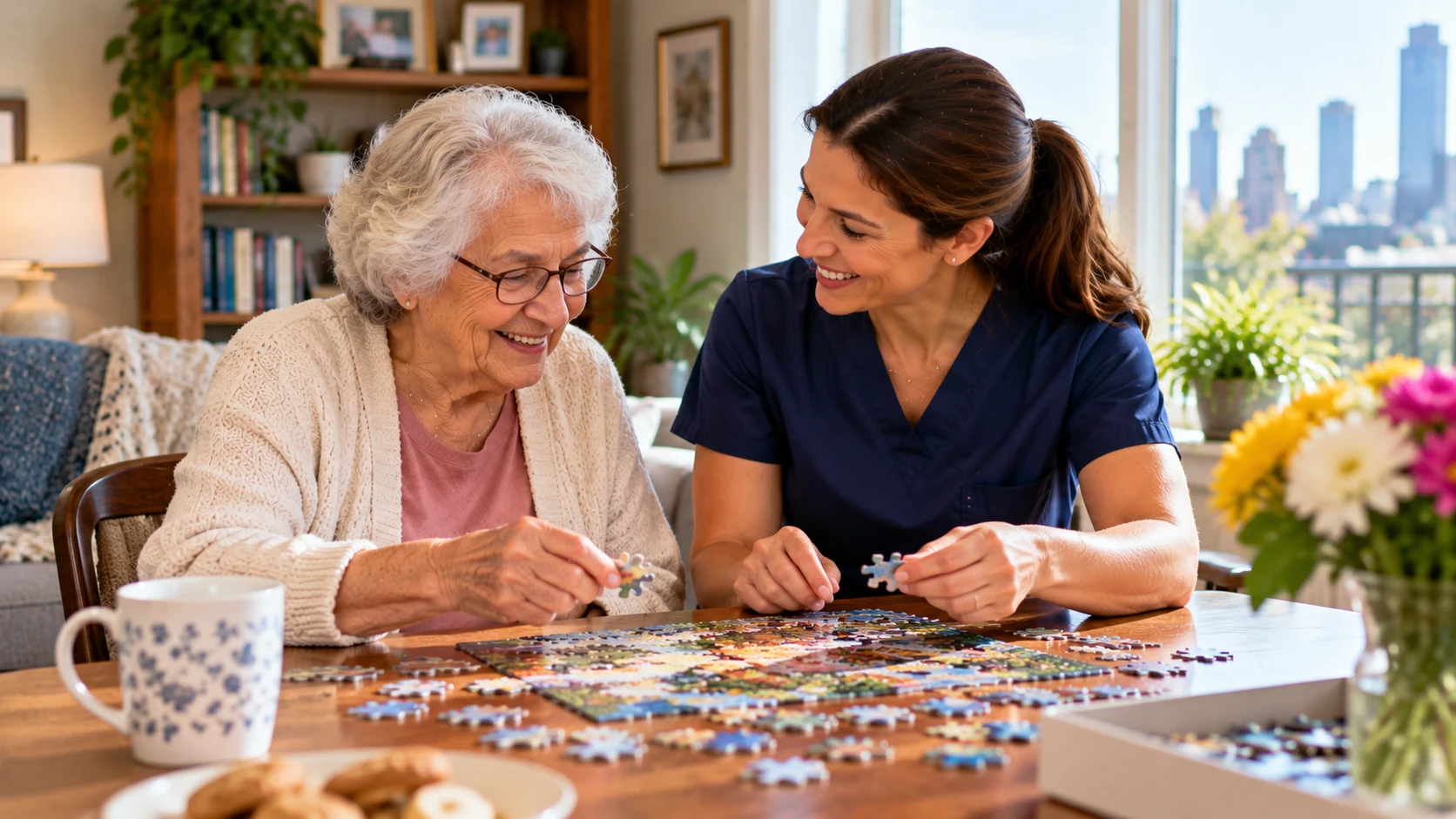
Companion care helps seniors overcome loneliness and isolation in Philadelphia, PA by providing regular, friendly visits from a trained caregiver at home. Companions offer conversation, shared activities, walks, meal preparation, errands, and rides to church, senior centers, and community events. This nonmedical in home care supports emotional wellbeing, mental health, and daily safety, helping older adults stay socially connected and independent across Philadelphia and nearby counties.
Loneliness Is a Health Issue, Not Just a Feeling
Philadelphia is a city of neighborhoods, block parties, and front step conversations. Yet many older adults living here spend most of their days alone.
Children move to the suburbs or out of state. Spouses and longtime friends pass away. Driving becomes difficult, and walking to the corner store or the bus stop feels less safe than it used to. Over time, a full social life can shrink to a television and an occasional phone call.
In 2023, the U.S. Surgeon General issued an advisory on the epidemic of loneliness and isolation, warning that a lack of social connection is linked to higher risks of heart disease, stroke, dementia, depression, anxiety, and early death. The advisory compared the health impact of social disconnection to smoking up to 15 cigarettes a day.
For seniors, loneliness is not a small problem. It is a serious threat to health and independence. Companion care is one of the most effective ways to address it at home.
Loneliness vs. Social Isolation: What Is the Difference?
Social isolation is an objective lack of contact with other people. A senior who lives alone, rarely leaves the house, and has few visitors is socially isolated.
Loneliness is the painful feeling of being disconnected, even when other people are nearby. A senior can live with family and still feel lonely.
Companion care addresses both. It adds regular human contact to the senior's week and builds a genuine, trusting relationship that eases the feeling of being alone.
Why Seniors in Philadelphia Become Isolated
Common causes of isolation among older adults include:
- Loss of a spouse, partner, or close friends
- Adult children living far away or working long hours
- Giving up driving
- Mobility problems, arthritis, or fear of falling
- Hearing or vision loss that makes conversation difficult
- Chronic illness or recovery from surgery
- Memory loss and early dementia
- Retirement and loss of daily structure
- Winter weather and icy sidewalks that keep seniors indoors
- Neighborhood changes as longtime neighbors move away
Warning Signs Your Loved One May Be Lonely
- Talking less on the phone or ending calls quickly
- Losing interest in hobbies, church, or clubs
- Sleeping more than usual or staying in pajamas all day
- Eating poorly or skipping meals
- Expressing sadness, boredom, or feeling like a burden
- Increased irritability or confusion
- Excessive television watching
- Neglecting personal hygiene or the home
What Is Companion Care?
Companion care is nonmedical in home care focused on social interaction, emotional support, and help with daily household needs. A companion caregiver becomes a consistent, friendly presence in your loved one's life.
At Visiting Care Home Care Services, Companion Care includes:
- Conversation, storytelling, and active listening
- Board games, cards, puzzles, and crafts
- Reading books, newspapers, and letters aloud
- Looking through photo albums and sharing memories
- Walks around the neighborhood or local parks
- Accompaniment to church, senior centers, libraries, and community events
- Rides to appointments, the pharmacy, and the grocery store
- Meal planning, preparation, and sharing meals together
- Light housekeeping and laundry
- Help with phone calls and video chats with family
- Medication reminders
- Help caring for pets
How Companion Care Helps Seniors Overcome Loneliness
It Creates Something to Look Forward To
A scheduled visit gives the day purpose. Seniors often get dressed, plan conversations, and feel more motivated when they know someone is coming.
It Builds a Real Relationship
We match seniors with compatible caregivers based on personality, interests, and language. Over time, trust grows into genuine friendship.
It Gets Seniors Out of the House
Companions help seniors safely visit places they enjoy, whether that is a neighborhood church, a senior center, the Free Library, the Italian Market, or a quiet walk near the Wissahickon. Getting out restores a sense of normalcy and belonging.
It Supports Mental and Cognitive Health
Conversation, games, reading, and reminiscing keep the mind active. Social engagement is associated with better mood and cognitive health in older adults.
It Improves Nutrition
Seniors who eat alone often eat less. Sharing a home cooked meal with a companion encourages better eating and hydration.
It Encourages Physical Activity
Walks, light stretching, and errands keep seniors moving, which supports strength, balance, and sleep.
It Reconnects Seniors With Family
Companions can help set up video calls, write cards, and organize photos, making it easier for seniors to stay in touch with children and grandchildren who live far away.
It Adds a Layer of Safety
Companions notice changes in health, mood, or the home and share concerns with family, so problems are caught early.
Who Benefits Most From Companion Care?
- Seniors who live alone
- Widowed seniors adjusting to life without a spouse
- Seniors who no longer drive
- Older adults in early stages of memory loss
- Seniors recovering from illness or surgery
- Seniors whose families live out of state
- Spouses who care for a partner and need social support of their own
Companion Care and Family Caregivers
Companion care also helps the family. Adult children often carry guilt about not visiting enough. Knowing that a trusted companion spends time with their parent several days a week brings real peace of mind. Spouses who serve as caregivers also benefit from Respite Care, which gives them time to rest and recharge.
What a Companion Care Visit Can Look Like
Here is an example of a typical afternoon visit for a senior in Northeast Philadelphia:
- 12:00 p.m. The caregiver arrives, and they chat over lunch prepared together
- 1:00 p.m. A short walk around the block or a ride to the senior center
- 2:30 p.m. A game of cards or a video call with a grandchild
- 3:30 p.m. Light tidying, laundry, and a medication reminder
- 4:00 p.m. Dinner preparation and plans for the next visit
Every visit is built around your loved one's interests, energy, and preferences.
How Often Should Companion Care Visits Happen?
Some seniors benefit from two or three visits a week. Others enjoy daily visits or longer shifts. For seniors who should not be alone, live in or 24/7 companion care is available. Our care coordinators will recommend a schedule after a free in home assessment.
Why Philadelphia Families Choose Visiting Care
For 29 years, Visiting Care Home Care Services has provided compassionate companion care to seniors in Center City, South Philadelphia, Northeast Philadelphia, Manayunk, Chestnut Hill, Roxborough, and throughout Bucks, Montgomery, Delaware, Chester, and Lancaster Counties.
- Experienced, caring companions matched to each client
- Flexible schedules from a few hours a week to 24/7
- A 24/7 on call hotline at 484.200.5204
- A nonsmoking, pet friendly agency
- Companion care that can expand into personal care as needs change
Related Reading
- Companion Care vs. Personal Care: Choosing the Right Fit in Philadelphia, PA
- How to Build a Daily Care Routine for Seniors at Home in Philadelphia, PA
- 7 Signs Your Aging Parent May Need Personal Care at Home in Philadelphia, PA
Frequently Asked Questions
Help Your Loved One Feel Connected Again
No senior should feel forgotten. Trusted companion care from Visiting Care Home Care Services brings friendship, purpose, and joy back into your loved one's daily life in Philadelphia, PA.
Call 484.200.5204 or request your free in home assessment today.